History in Songs: A New Approach to History Study and Teaching
24.09.2026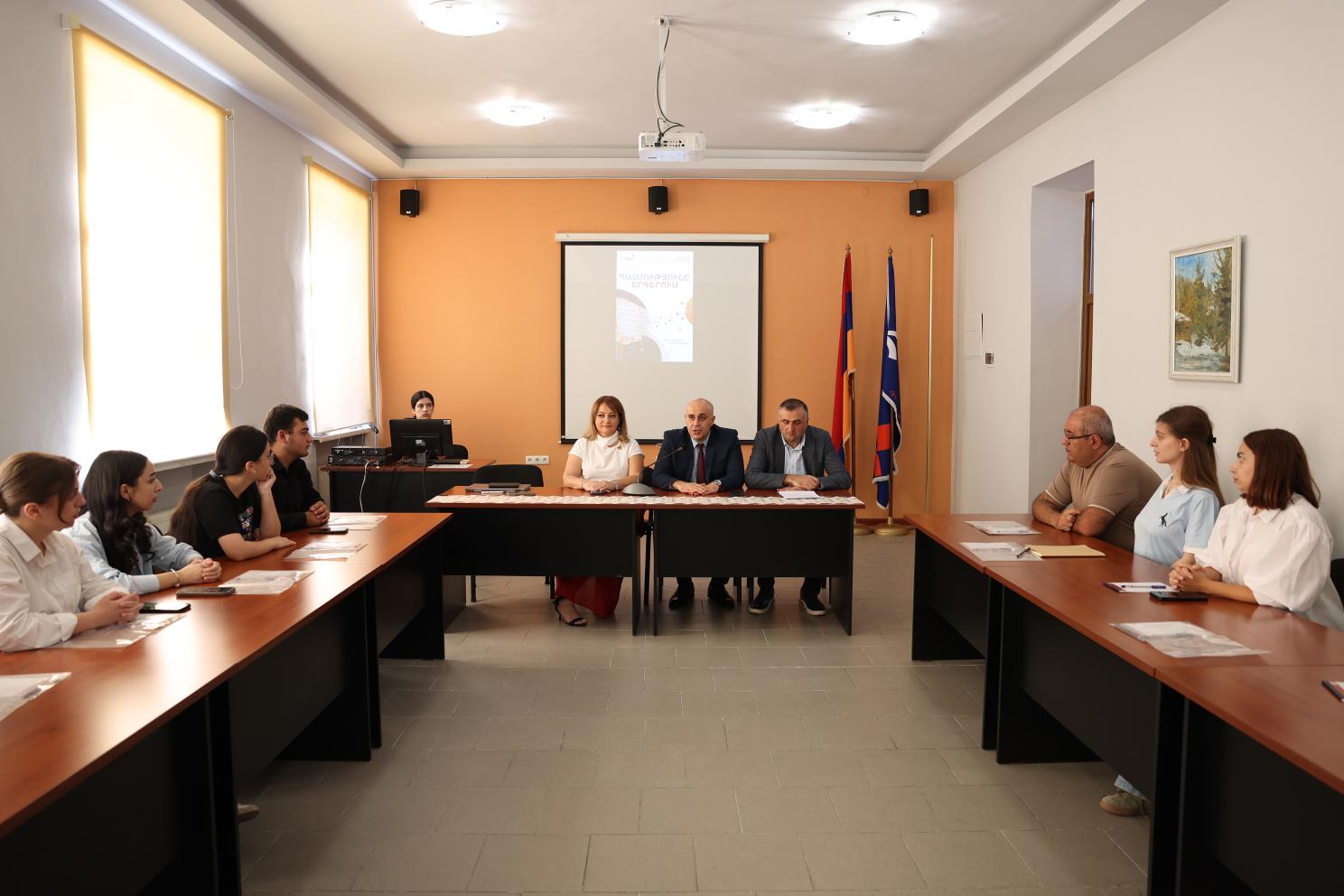
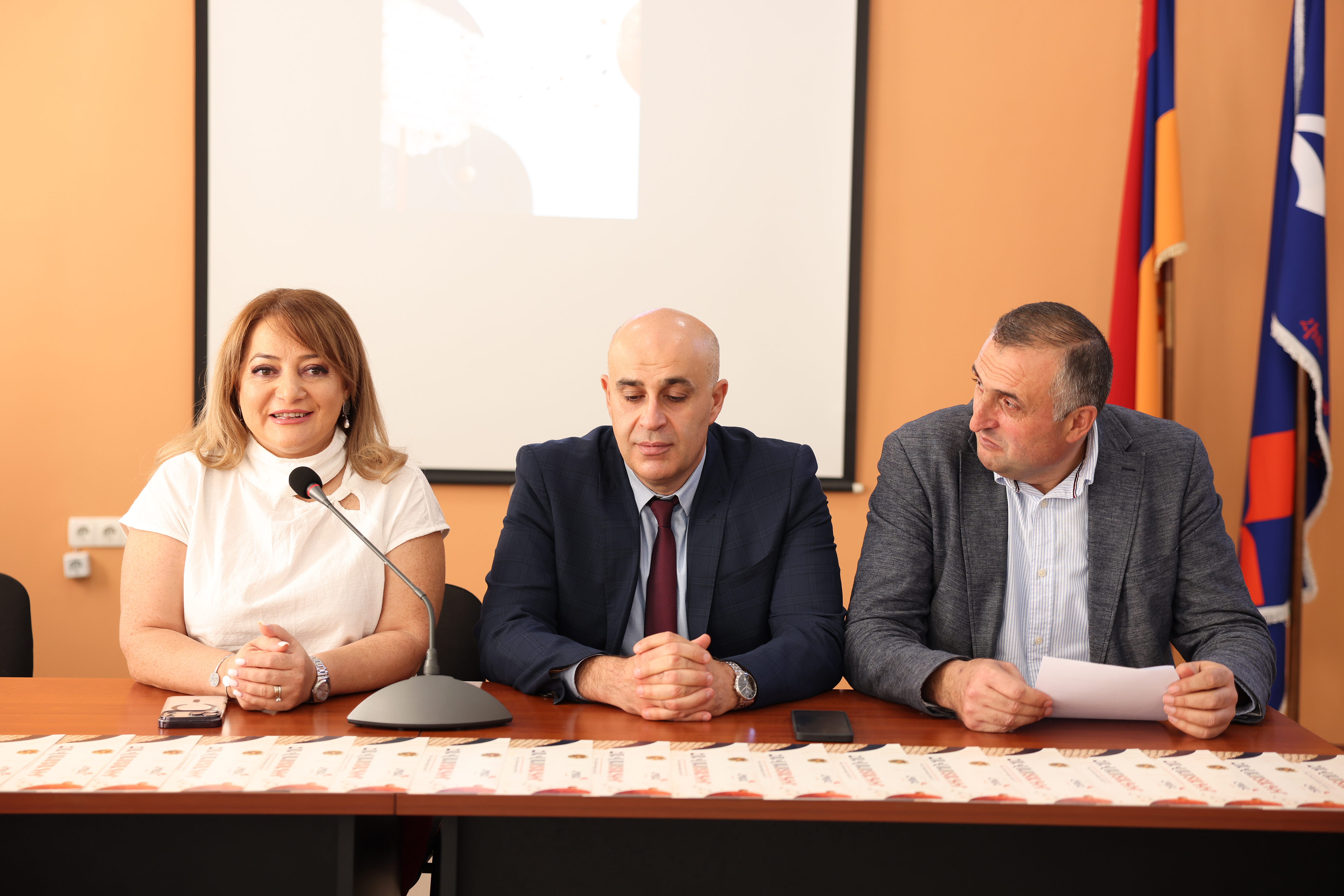
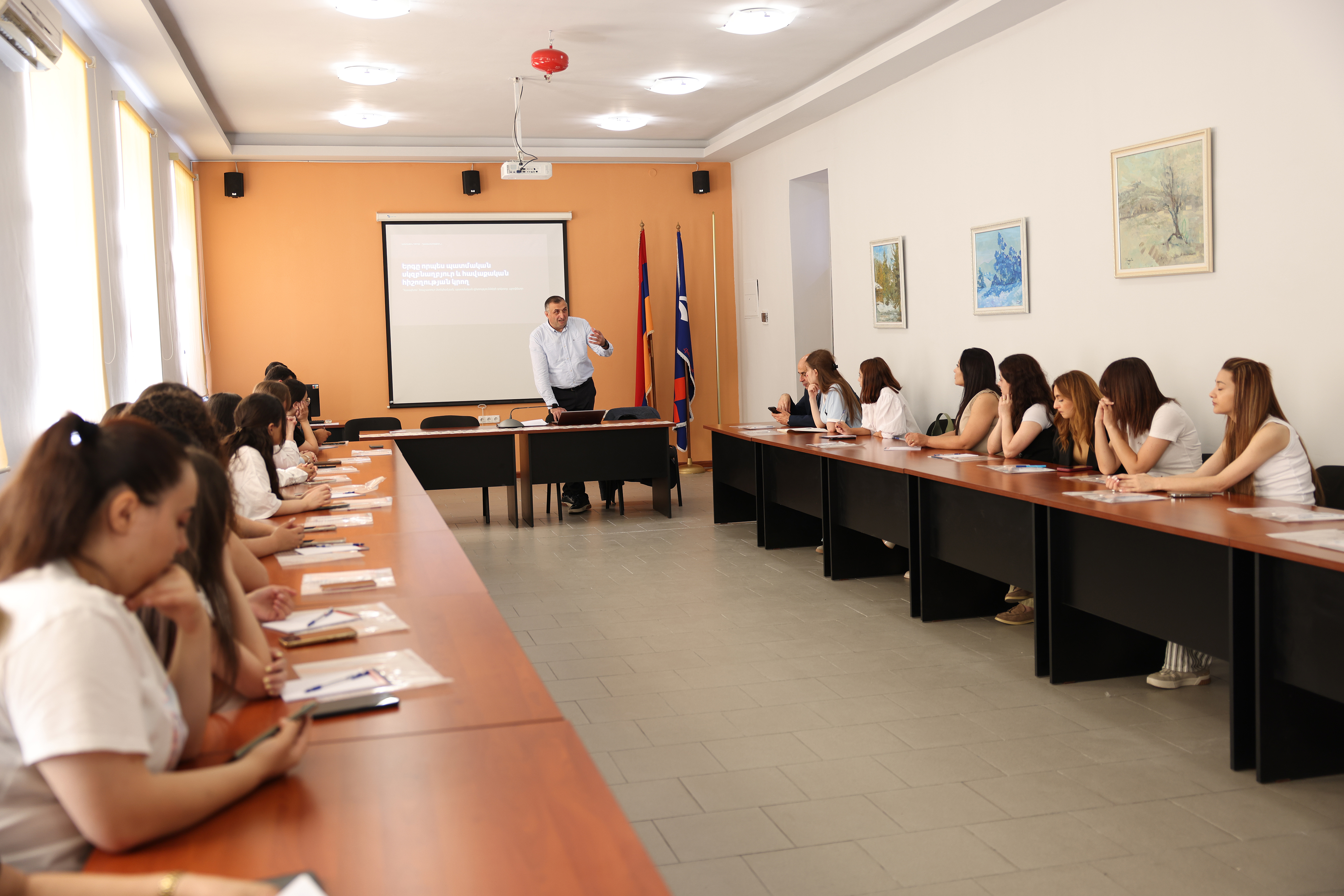
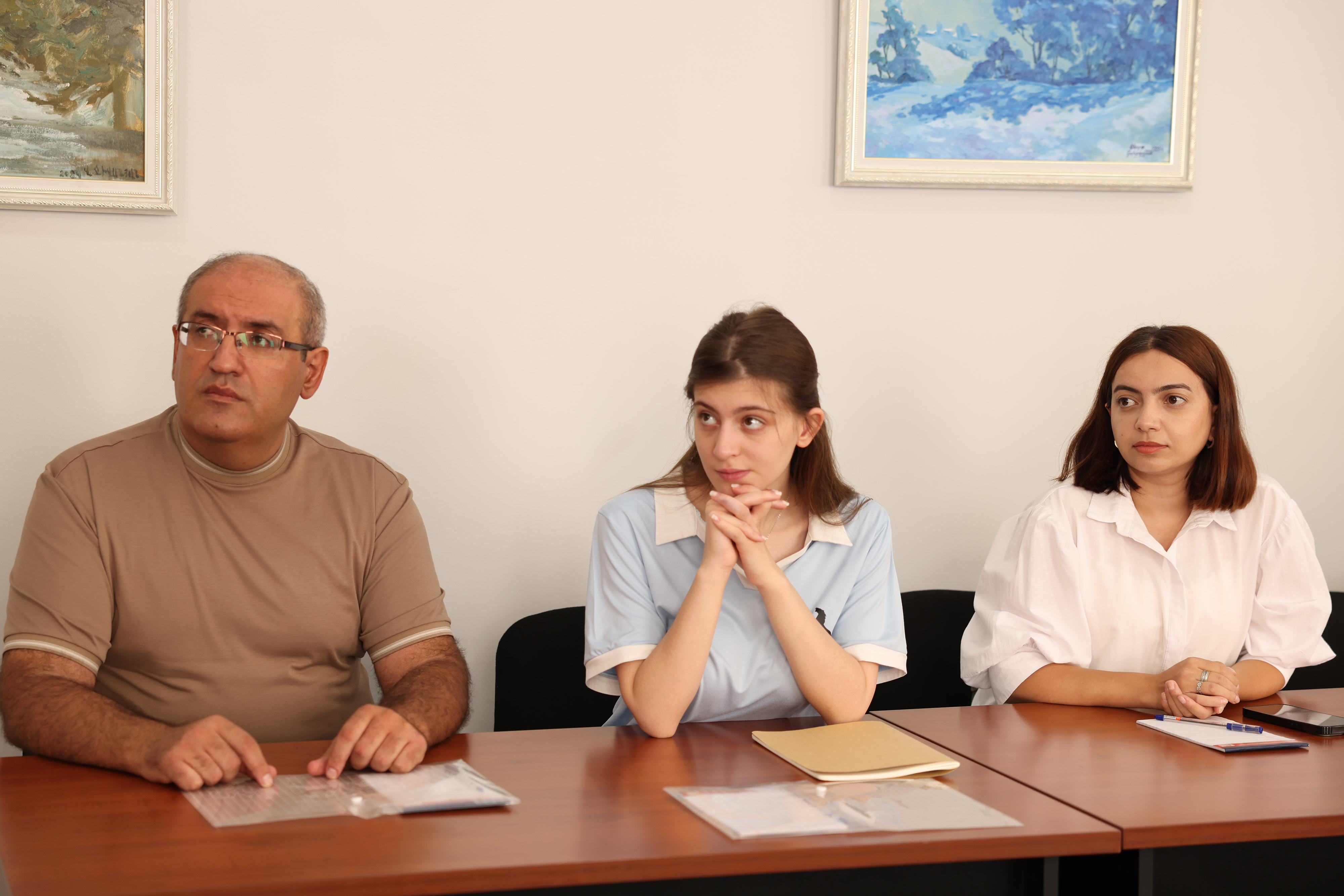
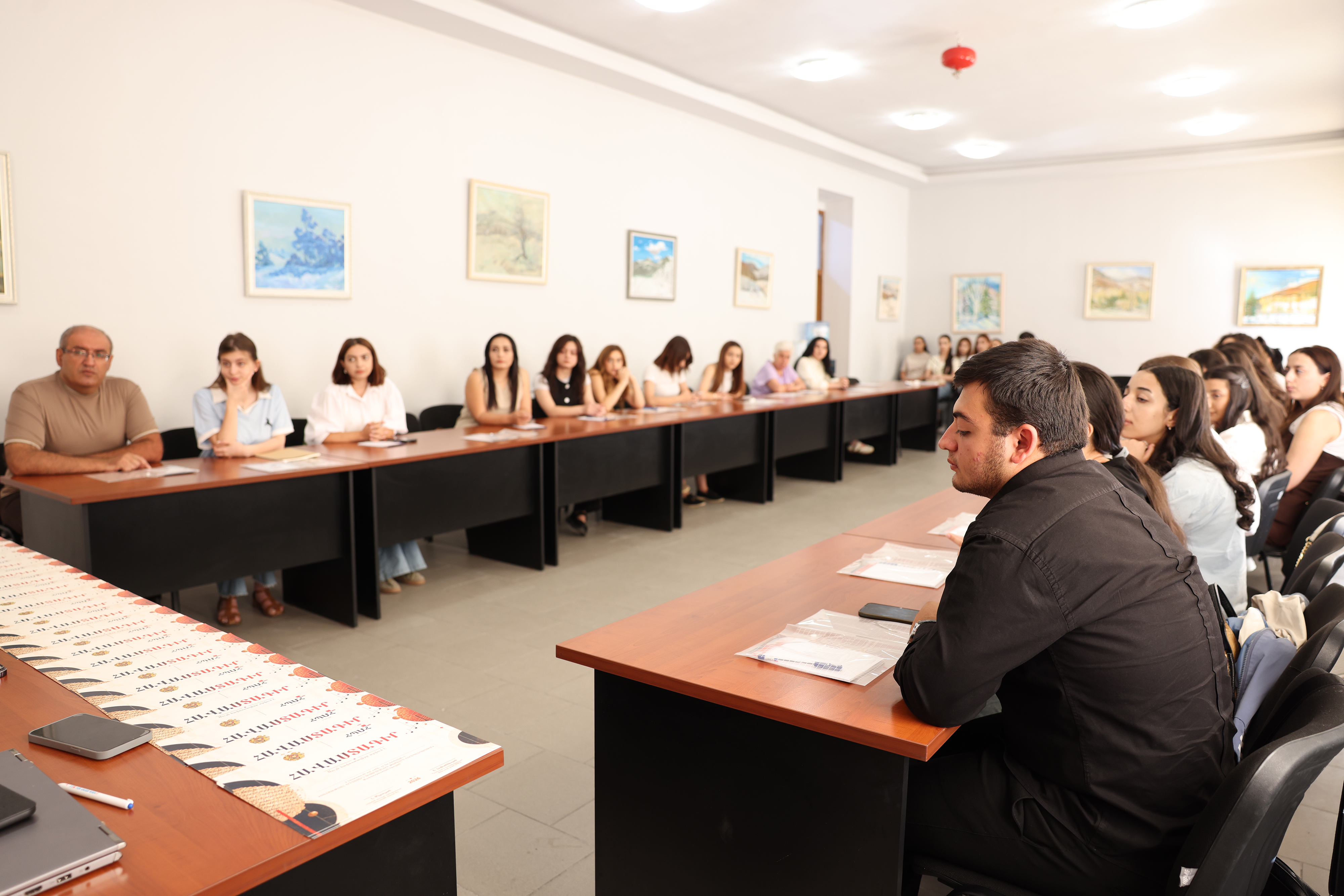
"History in Songs," a summer school program for young historians, started at the Armenian State Pedagogical University (ASPU). Young historians and students have the opportunity to participate in unique lectures, discussions, and practical workshops, exploring interesting and relevant topics related to history.
The program, organized at the initiative of ASPU and with the support of the All-Armenian Foundation Financing Armenological Studies, is aimed at developing participants’ professional knowledge and skills, presenting new approaches to the study and teaching of history, as well as reinforcing theoretical knowledge through practice.
Acting Rector of ASPU Lilit Mkrtchyan emphasized the importance of the program, particularly in terms of bringing together working and future teachers, thereby providing an opportunity for experience sharing, professional dialogue, and development of knowledge, skills, and capabilities among novice teachers.
“In our perceptions, we often hold the traditional view that history is a text - something static - but history is also tangible, history is also a song. I am pleased that, within the framework of this program, you will be approaching history using a new methodology and a modern mindset, trying to understand what we feel, see, and perceive through songs, how a song conveys to us the history of a given era and what historical layers it speaks of," Lilit Mkrtchyan said.
She emphasized that, beyond studying political history, it is also important to address economic, cultural, and social history. The topic holds particular importance for ASPU, as the institution trains and prepares History teachers who need to know how to teach history, spark interest among students, uncover the different layers of history, and achieve a deeper understanding of the subject.
Khachatur Stepanyan, Head of the Chair of World History and its Teaching Methods, said that the "History in Songs" summer school marks the beginning of a series of annual thematic training sessions; in the process of history teaching there are numerous topics that require further study and training.
One of them is the song, which, in addition to its cultural value, also has important significance as a source and can serve as an effective means for studying and presenting various historical realities.
“At the same time, it is important to understand not only the historical content of the song, but also its musical value and distinctive features. The perception of musical nuances, as well as consideration of the psycho-pedagogical aspects of the song can create additional opportunities in the process of history teaching,” Khachatur Stepanyan emphasized.
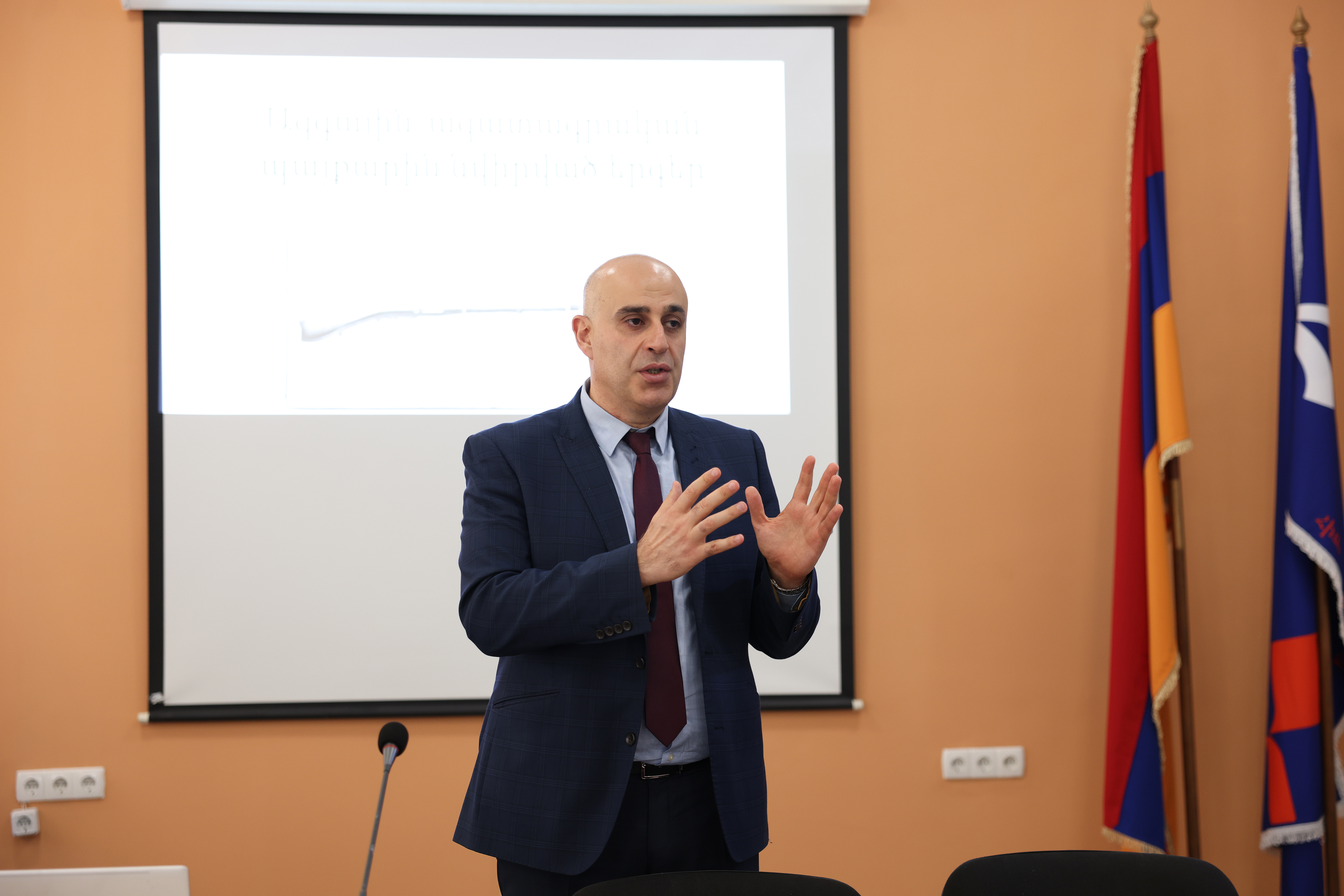
He then delivered a lecture titled “Songs as a Historical Source and Carrier of Collective Memory.” During the lecture, he examined the song as a phenomenon of source studies, presented the concept of collective memory by discussing the theoretical approaches of Maurice Halbwachs and Jan Assmann, and, using examples from Armenian and regional material, demonstrated the significance of songs in the preservation and transmission of historical memory.
Edgar Hovhannisyan, Dean of the Faculty of History and Social Sciences at ASPU, also emphasized the need to become familiar with diverse sources and alternative methods of studying history.
“History does not imply only book texts, it also involves engaging with primary sources and studying alternative means that make it possible to feel the spirit of a given period. One of them is song,” Edgar Hovhannisyan said emphasizing that the thematic seminars planned within the framework of the summer school are also an important format of non-formal education, which is important from the perspective of supplementing and completing professional education and contributes to expanding professional knowledge, abilities, and skills.
Edgar Hovhannisyan presented the characteristics of songs reflecting the themes of the national liberation struggle, noting that they were shaped on the basis of traditional folk, ashugh (bardic), and literary lyric poetry.
He also addressed the military-patriotic songs from the period of the 19th-century Russo-Persian and Russo-Turkish wars, as well as the reflection of the national liberation struggle of the Armenian people, including the uprisings in Zeytun and Sasun and other episodes, in songs.
It is noteworthy that the program is interdisciplinary in nature: it is intended not only for historians, but also for specialists from other fields. Musicians, educators, and other professionals will also give lectures.
The first day of the program was concluded by Gohar Meliksetyan, Associate Professor at the Chair of Music Pedagogy of ASPU, with a report titled “Armenian Historical Past in Folk Songs.”
Latest posts
-
24.09.2026