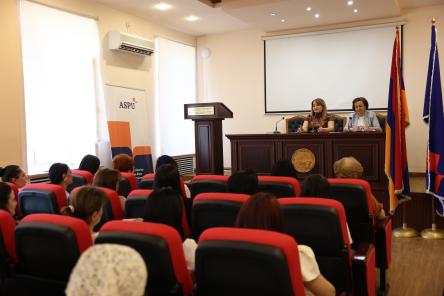
International conference aimed at developing reading literacy gets underway at ASPU
29.09.2026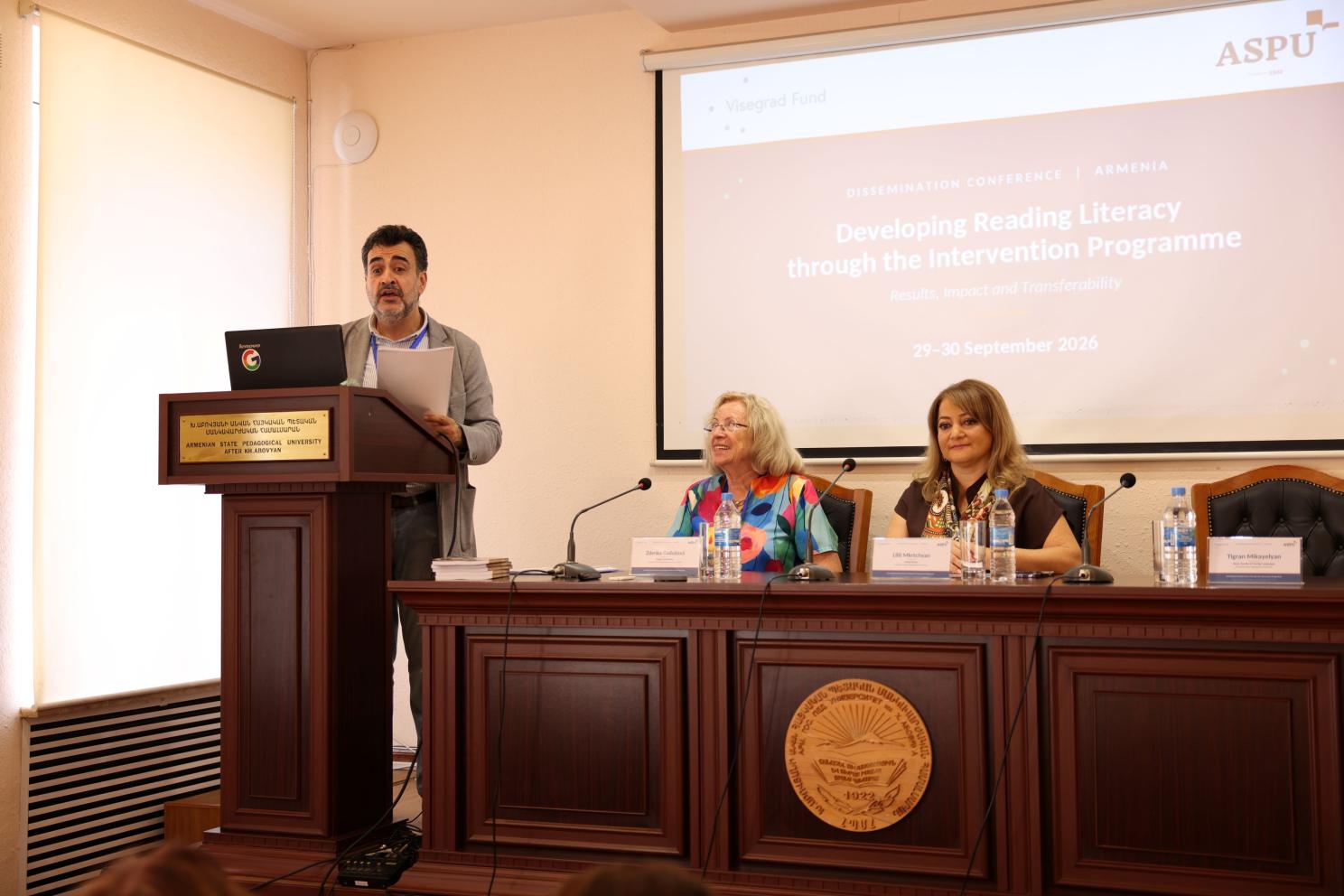
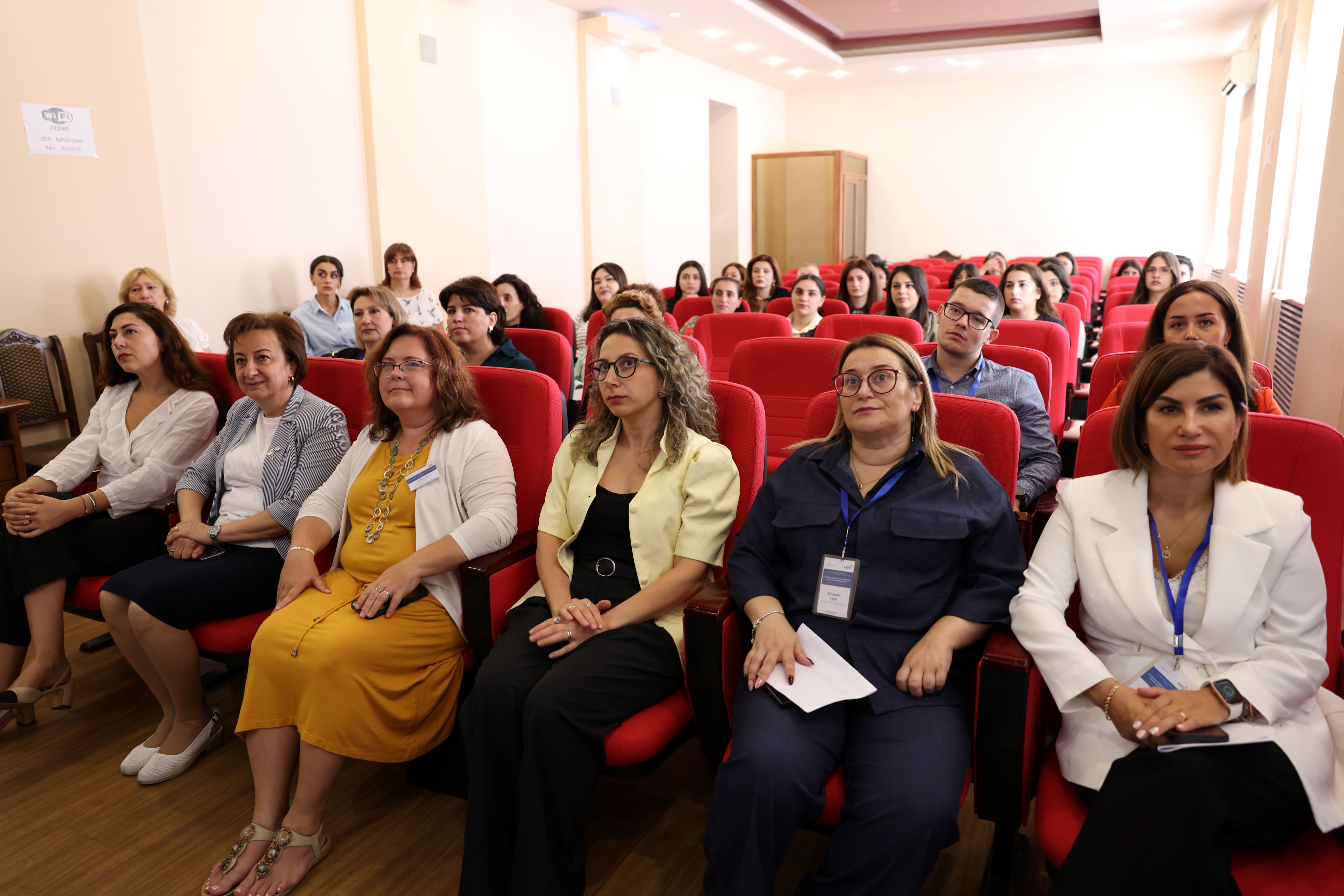
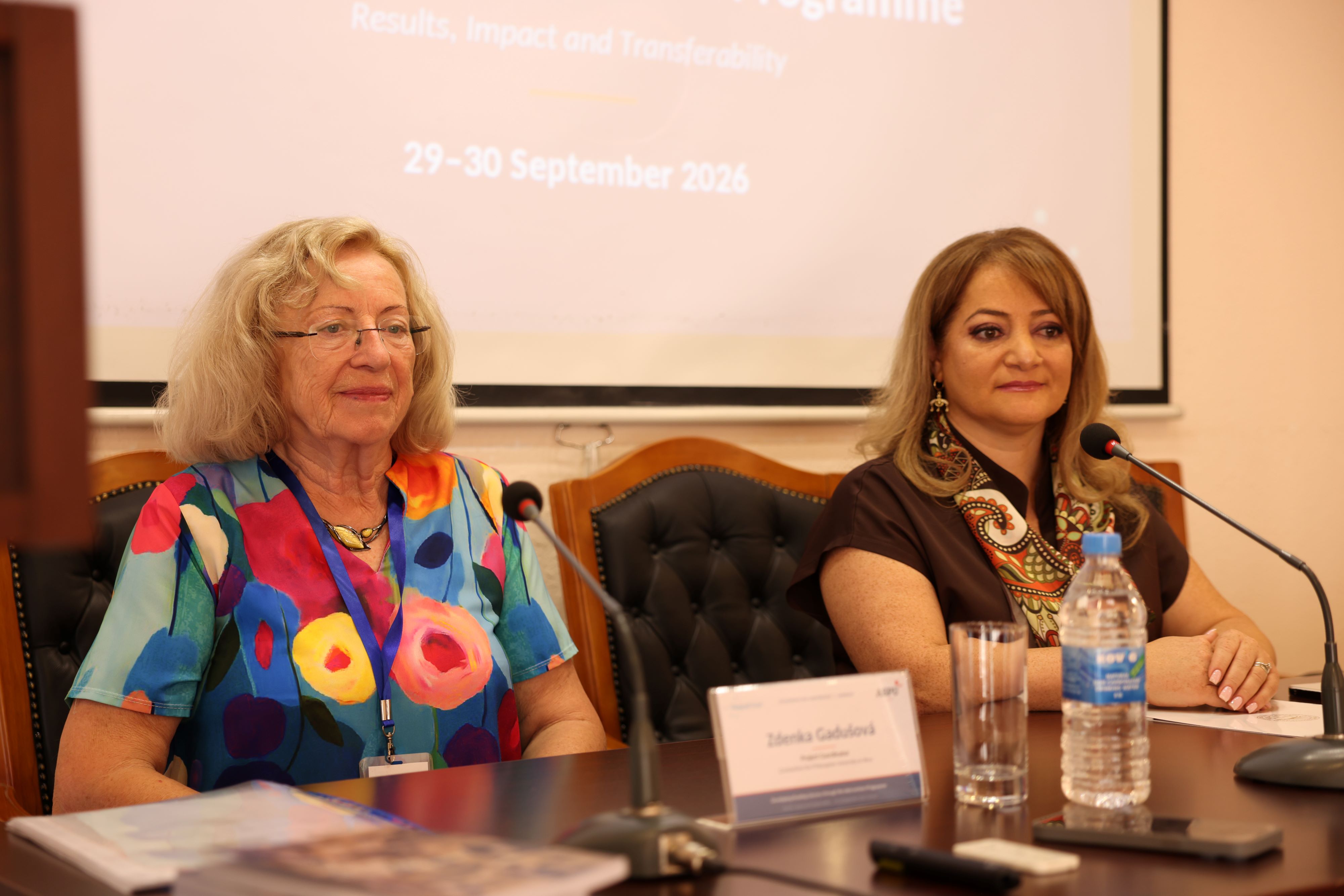
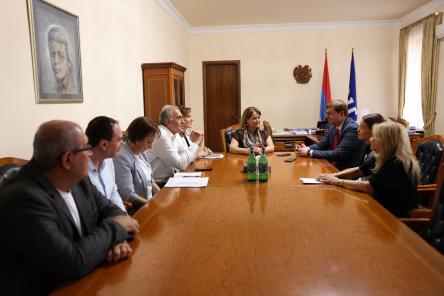
A two-day international conference titled “Developing Reading Literacy through the Intervention Programme: Results, Impact and Transferability” started at the Armenian State Pedagogical University (ASPU) on September 29.
The project (Developing Reading Literacy through Integrated Information Recognition and Processing) implemented by a consortium led by Constantine the Philosopher University in Nitra (Slovakia) and co-financed by the International Visegrad Fund, features partner institutions from Central and Eastern Europe, the Balkans, and Armenia, including the University of Bielsko-Biala (Poland), the Prague University of Economics and Business (the Czech Republic), Eszterházy Károly Catholic University (Hungary), Aleksandër Moisiu University of Durrës (Albania), and ASPU.
The program aims to develop learners' reading literacy and information processing skills through the application of integrated methods of information comprehension and analysis, thereby fostering learners' ability to distinguish between reliable and false information, as well as to critically analyze, interpret, and evaluate information both in foreign languages and mother tongue.
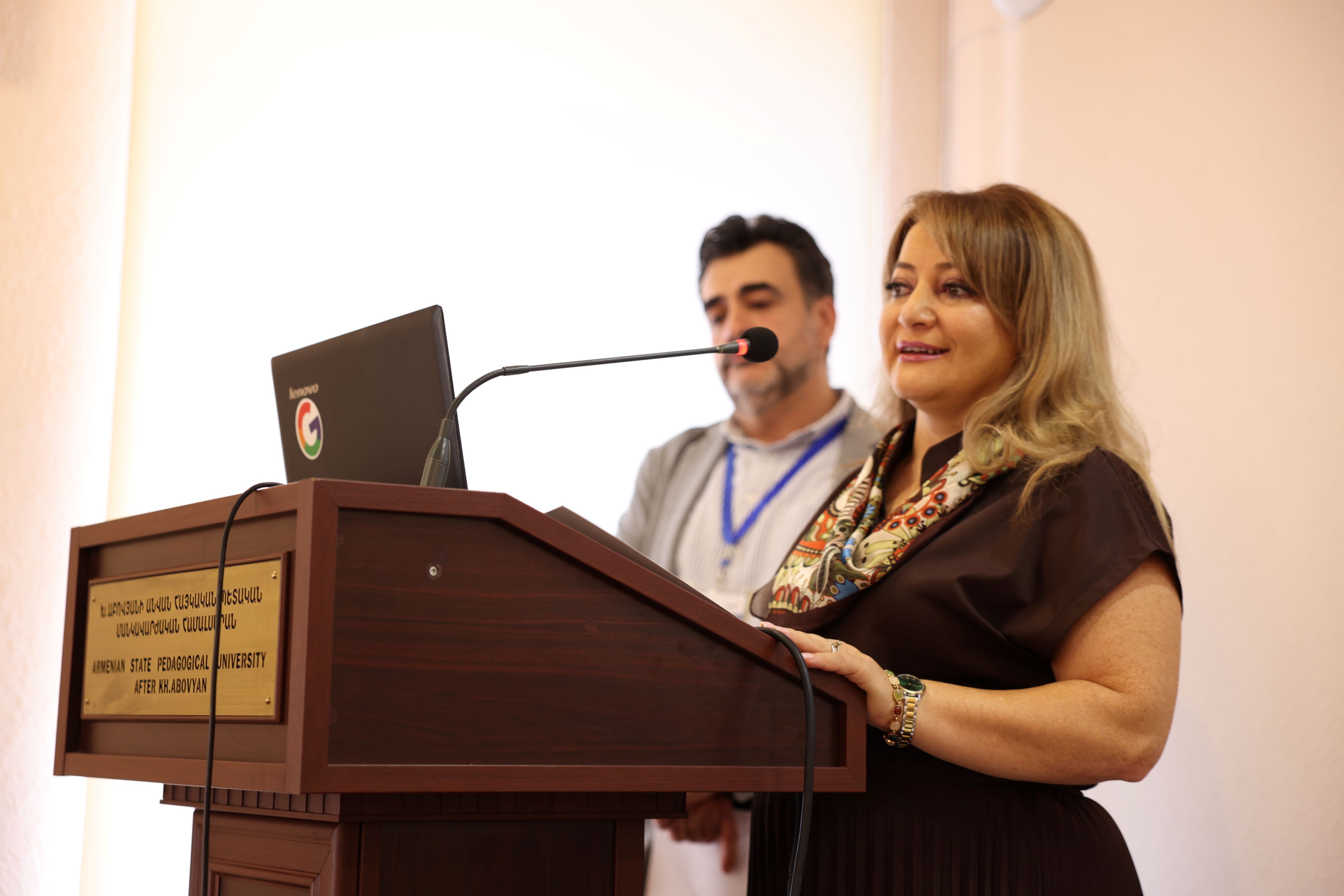
In her opening remarks, Acting Rector of ASPU Lilit Mkrtchyan highlighted the importance of hosting an international professional discussion of such format at ASPU. She emphasized the importance of developing reading literacy and skills for the critical information processing and added that in the modern digital environment, learners must be able to not only comprehend information but also to analyze and evaluate it, and to identify false and inaccurate information.
Lilit Mkrtchyan also underscored the importance of teacher training courses within the framework of the project and the application of the acquired experience in schools: "Through specialized training courses and seminars, educators will have the opportunity to introduce new approaches in schools and evaluate the results of their implementation. We live in an era where Information is growing at an unprecedented pace and volume. Today, learners study in digital environments where it is essential to quickly understand, analyze, and synthesize information from various sources. Therefore, our task is to equip them with skills that will transform reading into deep understanding/comprehension and information into meaningful knowledge," she said.
The project is based on the findings of the two previous national research projects—APVV and VEGA— within which predictors for the development of reading literacy have been identified. Within the framework of the project, "Developing Reading Literacy through Intervention Programme" has also been developed. Among other issues, the conference will also address the applicability and effectiveness of its instructional materials.
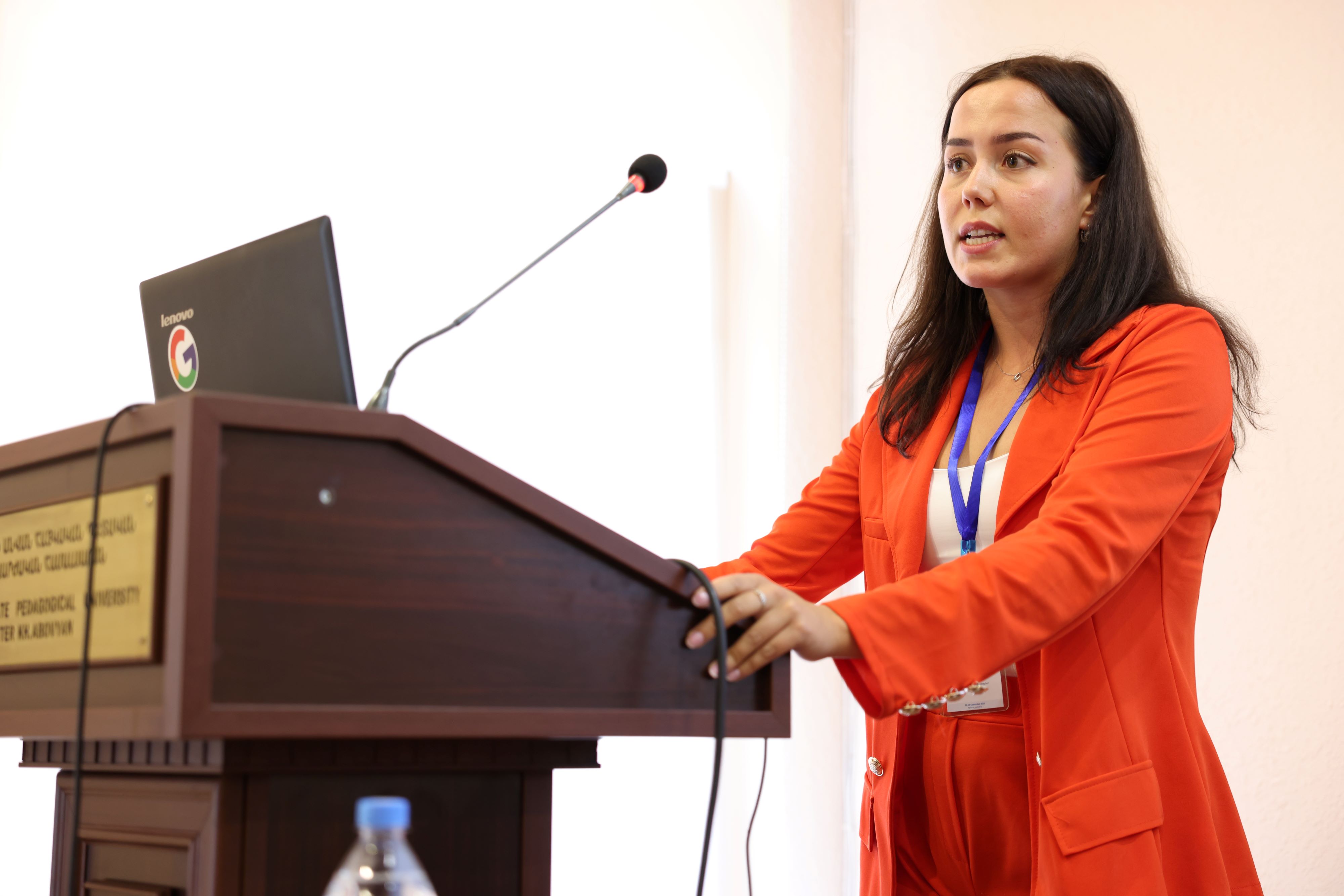
On the first day of the conference, participants focused on the project results, impact and transferability. Specialists and researchers from Armenia and partner countries delivered speeches and reports.
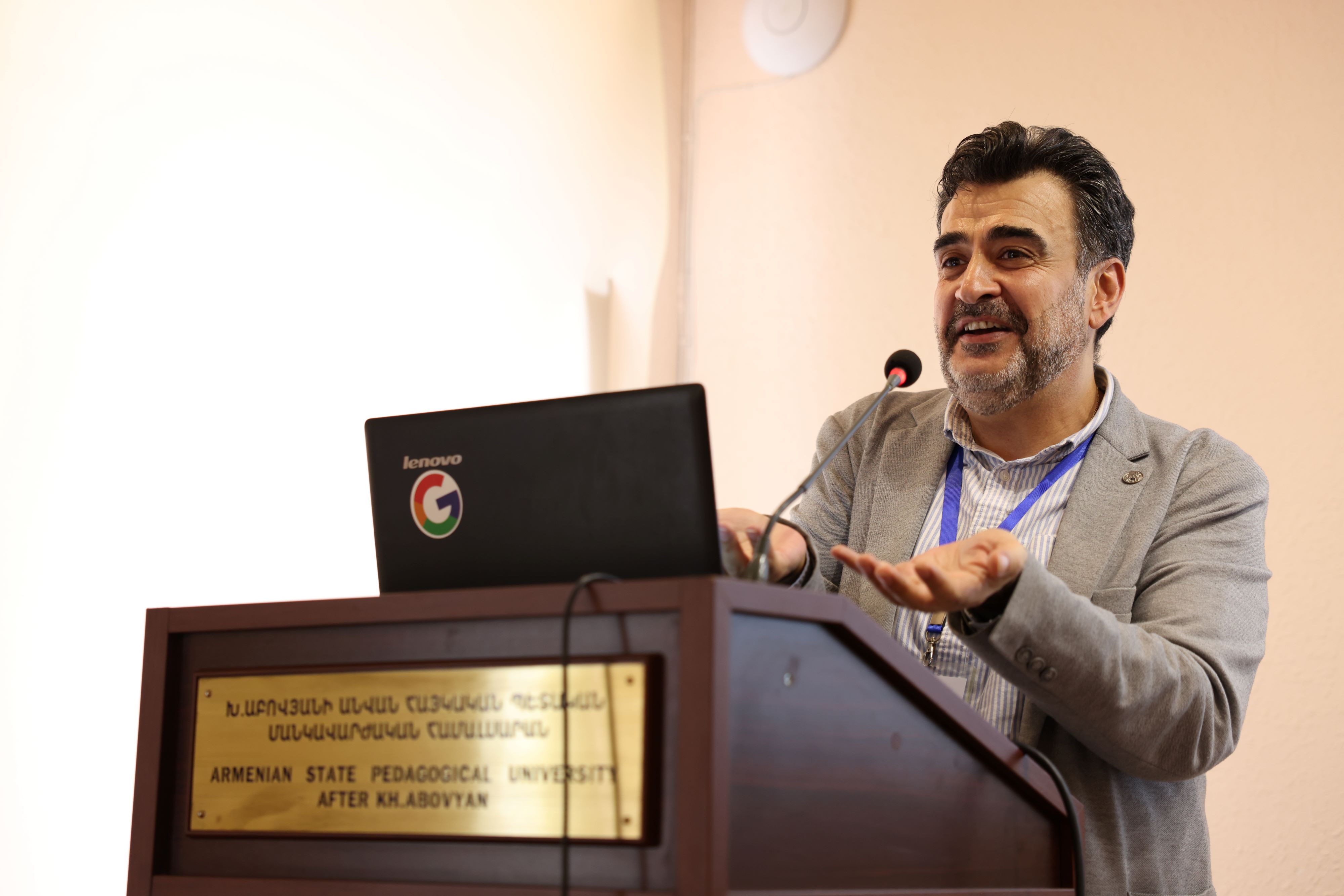
Zdenka Gadušová and Eva Stranovská from Constantine the Philosopher University in Nitra presented the objectives, activities and key achievements of the project. Tigran Mikayelyan, Dean of the Faculty of Foreign Languages at ASPU, made a keynote address on the topic “Reading Beyond the Boundaries of Receptive Skills.”
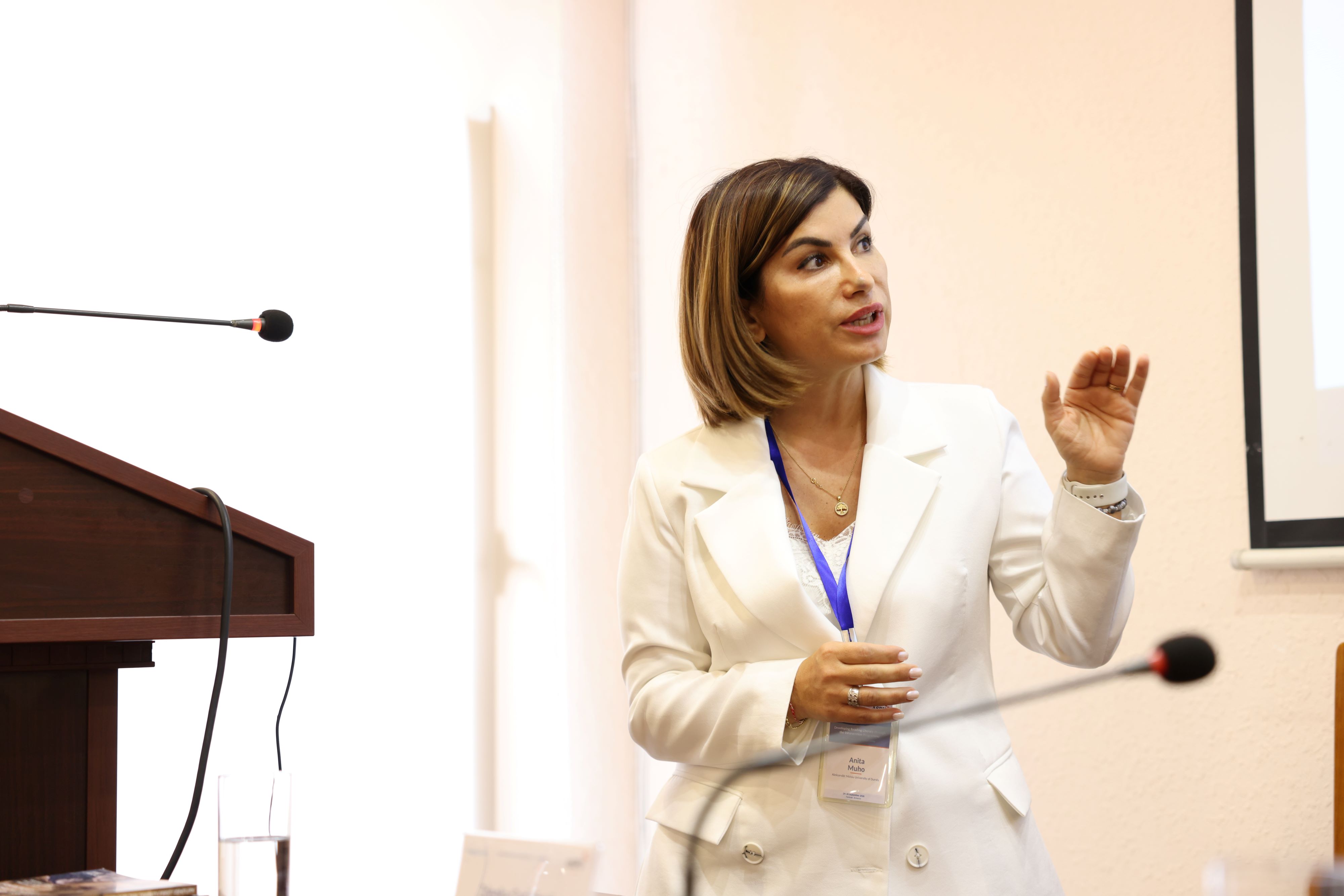
Manana Dalalyan, Acting Head of the Chair of Romance and Germanic Languages and Their Teaching Methods at ASPU, and Anita Muho, Head of the Department of Foreign Languages, Aleksandër Moisiu University of Durrës, presented implementation and piloting results, including student experiences and feedback, while Ivana Poulíková from Constantine the Philosopher University in Nitra dwelt on development of critical thinking through reading comprehension instruction.
The conference participants were also introduced to good practices from Armenia. The reports were followed by questions and discussions, reflections and conclusions.
Latest posts
-
29.09.2026
-
28.09.2026
 ASPU initiates cleanup as part of COP17