- Media > News >Media Literacy and Responsible Digital Citizenship: Results of competition summed up at ASPU
Media Literacy and Responsible Digital Citizenship: Results of competition summed up at ASPU
23.06.2026
The results of the competition for joint student-lecturer research projects entitled “Media Literacy and Responsible Digital Citizenship” were summed up at the Armenian State Pedagogical University (ASPU).
The competition followed the Media Literacy Week in Armenia as a continuation of the initiatives already undertaken and as another important step towards promoting and strengthening a culture of media literacy.
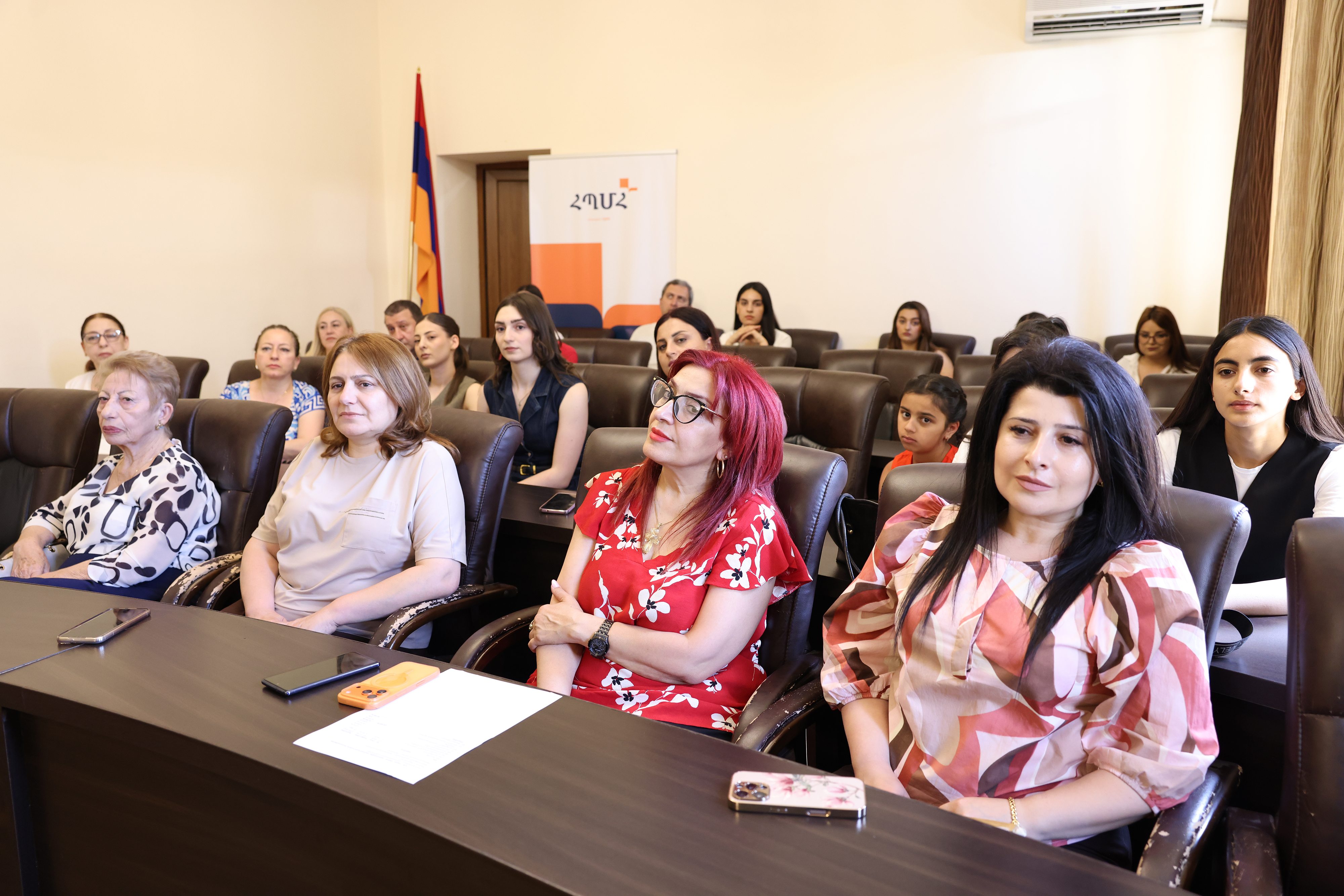
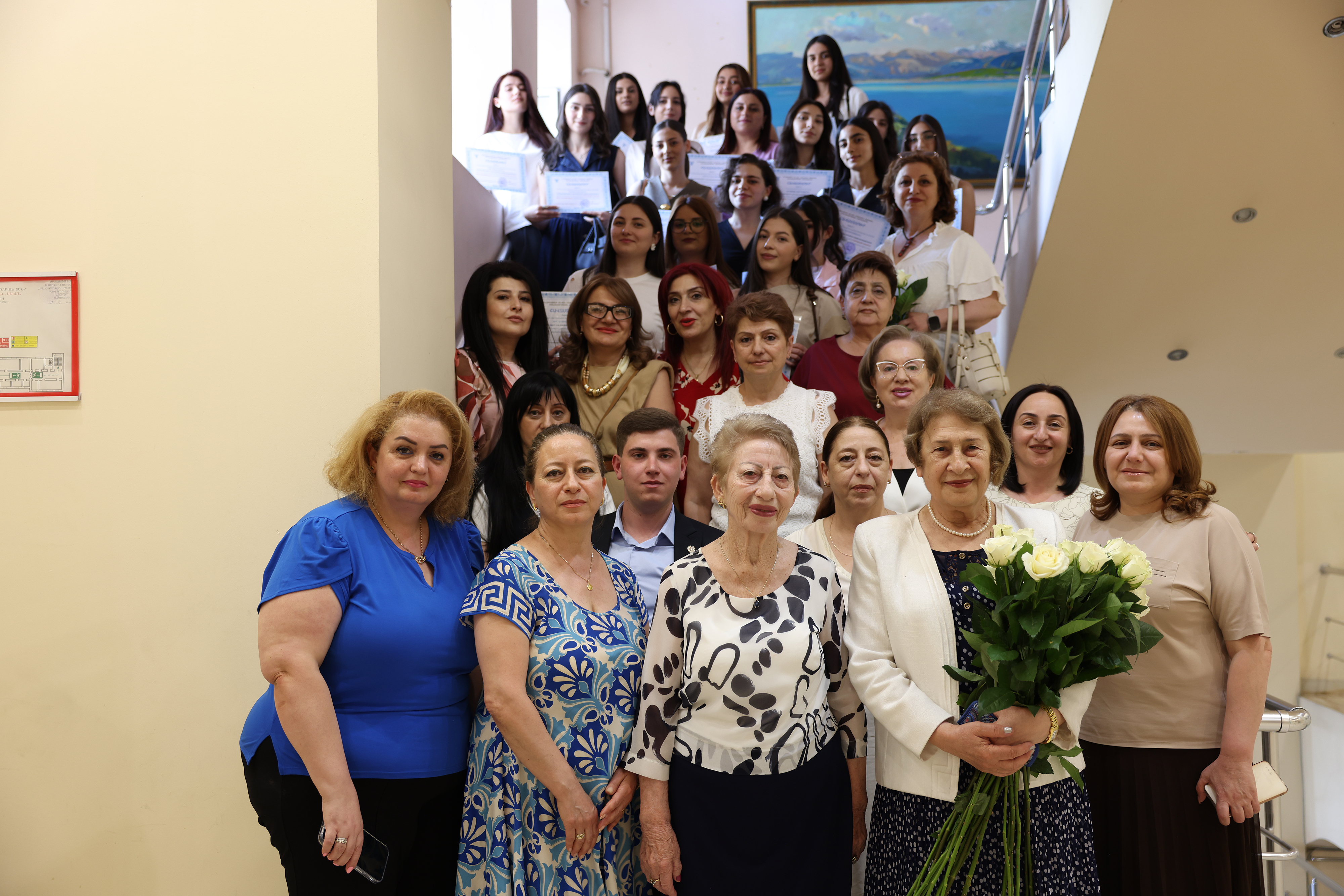
The competition brought together 10 teams consisting of students and lecturers and representing eight faculties of the University. The participants presented the results of their research and creative projects on media literacy, responsible behaviour in digital environments, information analysis, and the development of critical thinking skills.
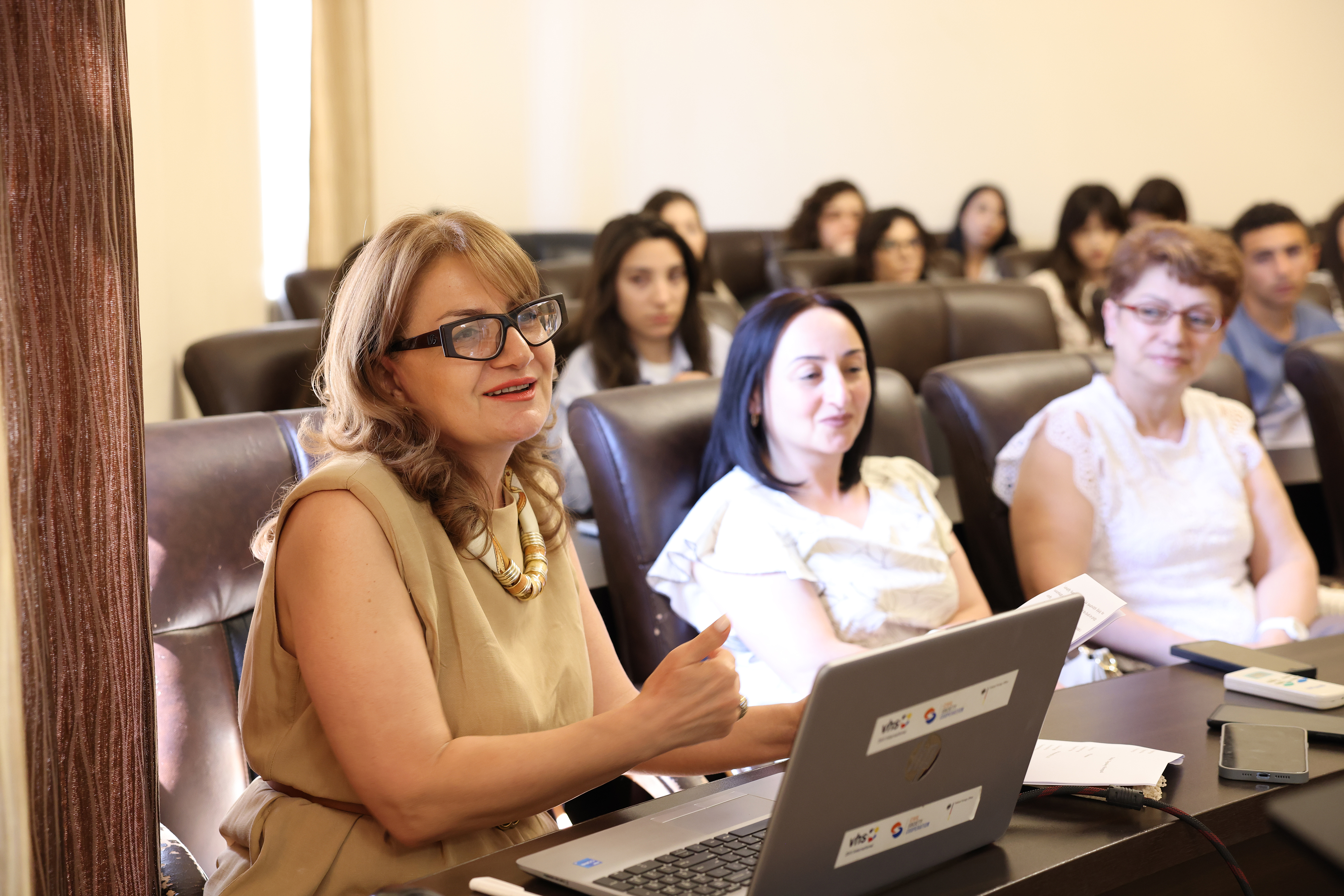
Professor Aida Topuzyan, Head of the Department of Pedagogy/Education/ at ASPU, emphasized the fact that within the framework of the project, students not only explored the issue of media literacy, but also sought to examine it from various perspectives through interviews, research studies, podcasts, social media videos and other formats.
After reviewing all participants’ videos and presentations, the evaluation committee also produced a summary video that featured the strongest and most distinctive elements of each team’s work highlighting the participants’ ideas, approaches, and creative solutions.
As Aida Topuzyan noted, each subproject had its own distinctive strengths, message, and contribution.
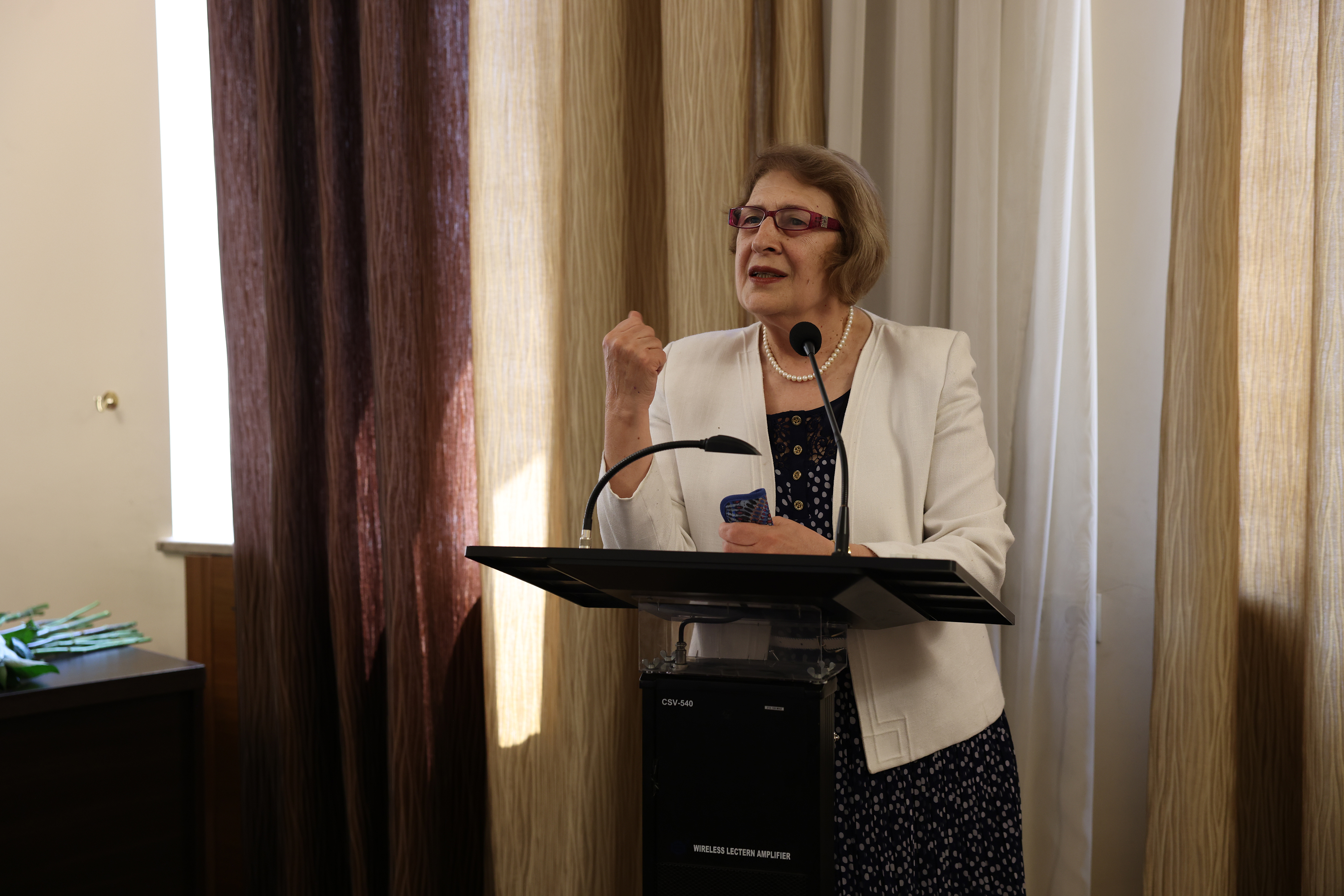
Acting Rector of ASPU Lilit Mkrtchyan emphasized the importance of the initiative, highlighting the growing relevance of media literacy and responsible digital citizenship in today’s digital world, where new rights, responsibilities, and forms of social interaction are constantly emerging.
Lilit Mkrtchyan particularly emphasized the choice of the project-based learning approach, noting that it allows students not only to acquire theoretical knowledge, but also to apply it in practice, to identify the strengths and weaknesses of the topic, and to develop research and analytical skills.
“As a pedagogical university, it is important for us that students not only study a topic, but also test and apply their knowledge through project-based work, that they learn to work with learners, convey values, and contribute to the formation of citizens who have critical thinking skills, who are media-literate and responsible,” she said.
She also stressed the importance of collaboration in terms of the effective implementation of such initiatives and ensuring their long-term impact and continuity.
Addressing the relevance of the topic, Lilit Mkrtchyan emphasized that today the whole world is facing new challenges related to living and operating in a digital environment: “Education is the primary tool through which it is possible to convey innovation to learners, prepare them for the demands of the modern world, and shape responsible, conscious and informed citizens,” she stressed.
Referring to the experience of Armenia, Lilit Mkrtchyan noted that Armenia has been among the leading countries in terms of the number of implemented programs. She particularly emphasized the fact that the initiatives and programs of the University have also been included in these processes, contributing to the promotion of media literacy and digital citizenship
Across the seven award categories - “Development of Best Educational Environment,” “Most Relevant Digital Message,” “Best Public Research,” “Best Educational Podcast,” “Best Community Media Initiative,” “Best Initiative for Promoting Responsible Digital Behavior,” and “Promotion of Student Message” - each team received a special award that reflected the strongest aspect of its work.
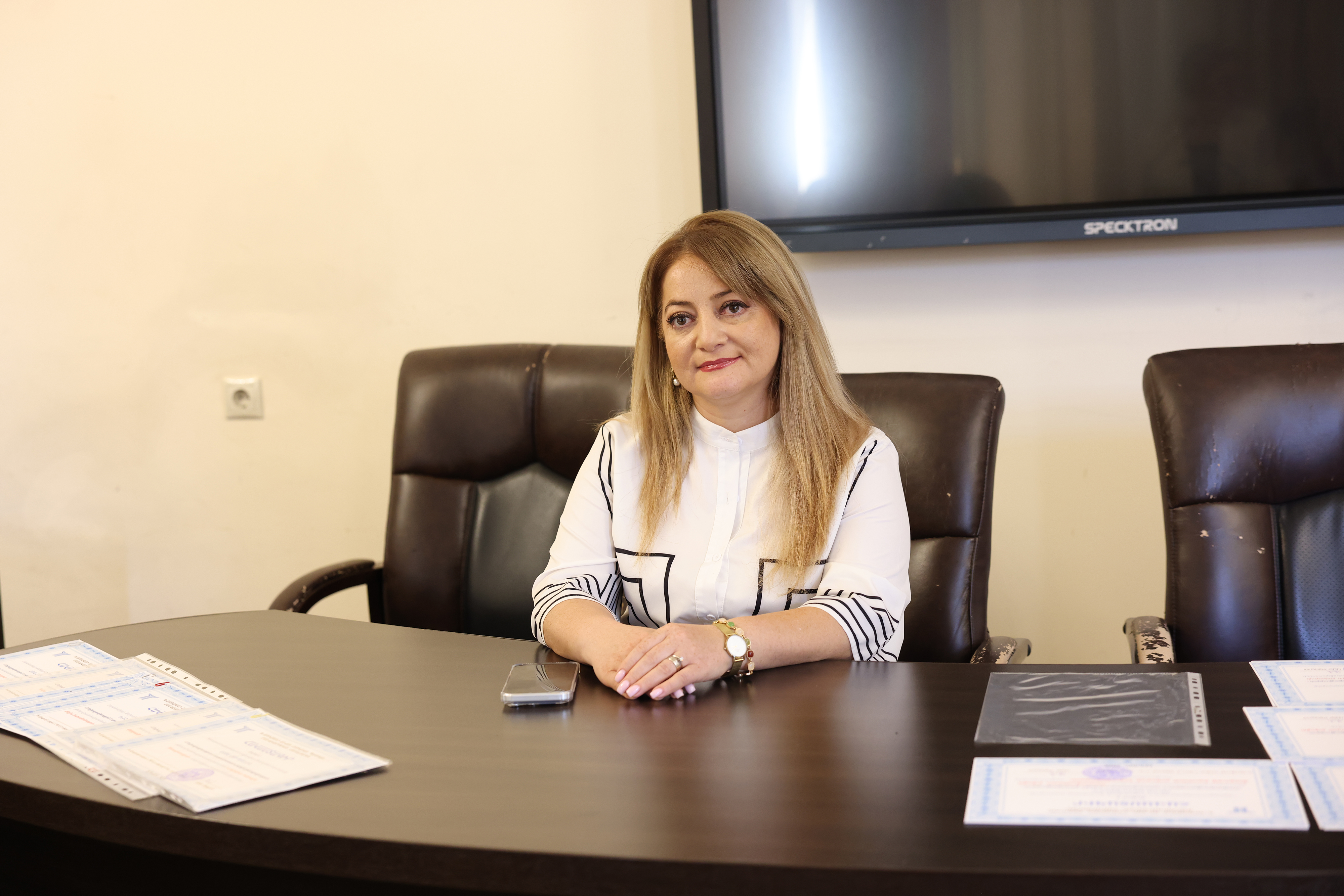
Lusine Poghosyan, Associate Professor of the same Chair, and coordinator of the project, also underscored the importance of the initiative and its educational significance, stressing that it became an effective platform for collaboration, exchange of experience, and joint creative work.
Summarizing the project, she noted that it provided an opportunity for students of different ages and educational levels to unite around a common idea, create a collaborative learning environment, and work together towards achieving shared goals.