Lilit Mkrtchyan participates in International Congress of Armenian Studies
31.07.2026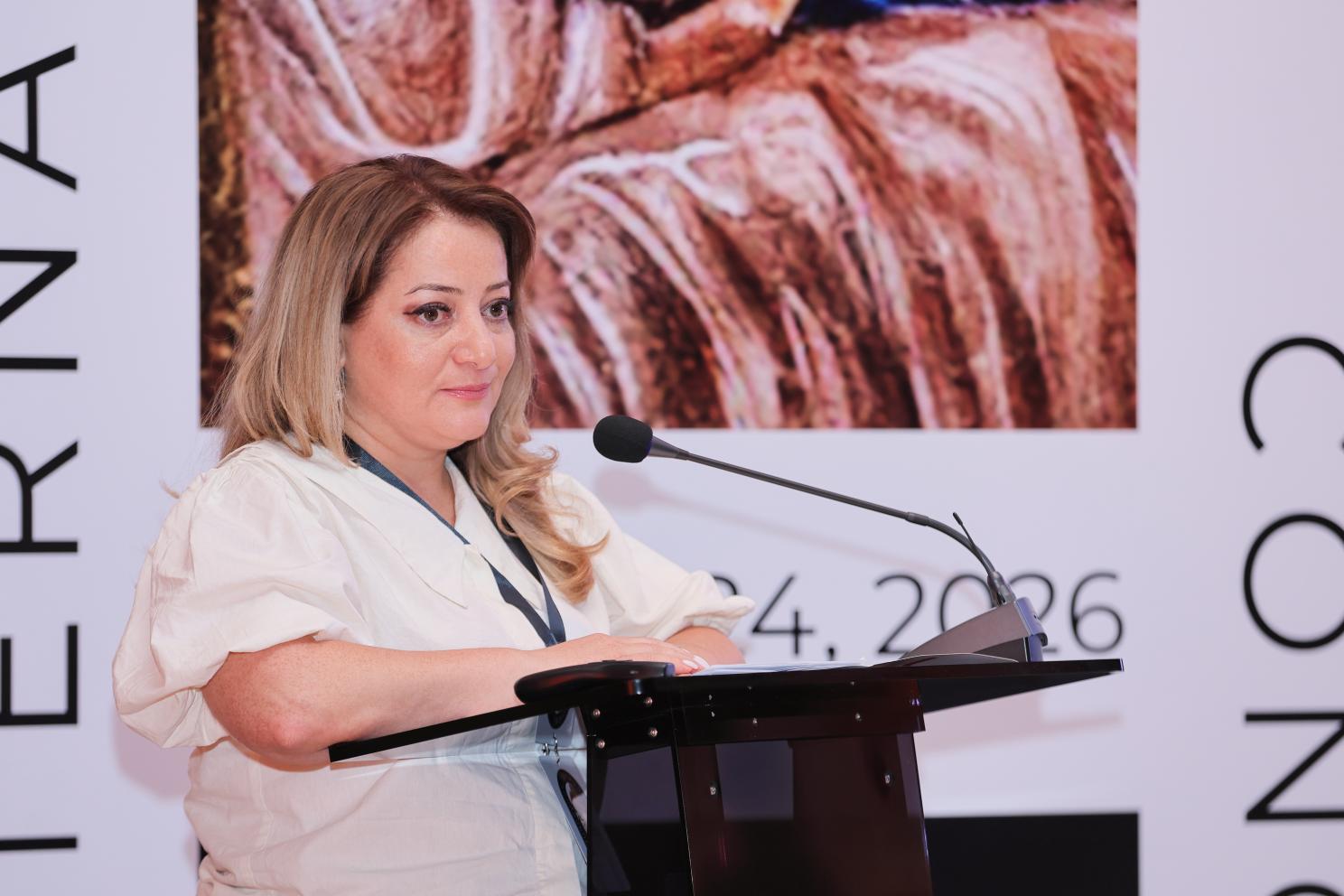
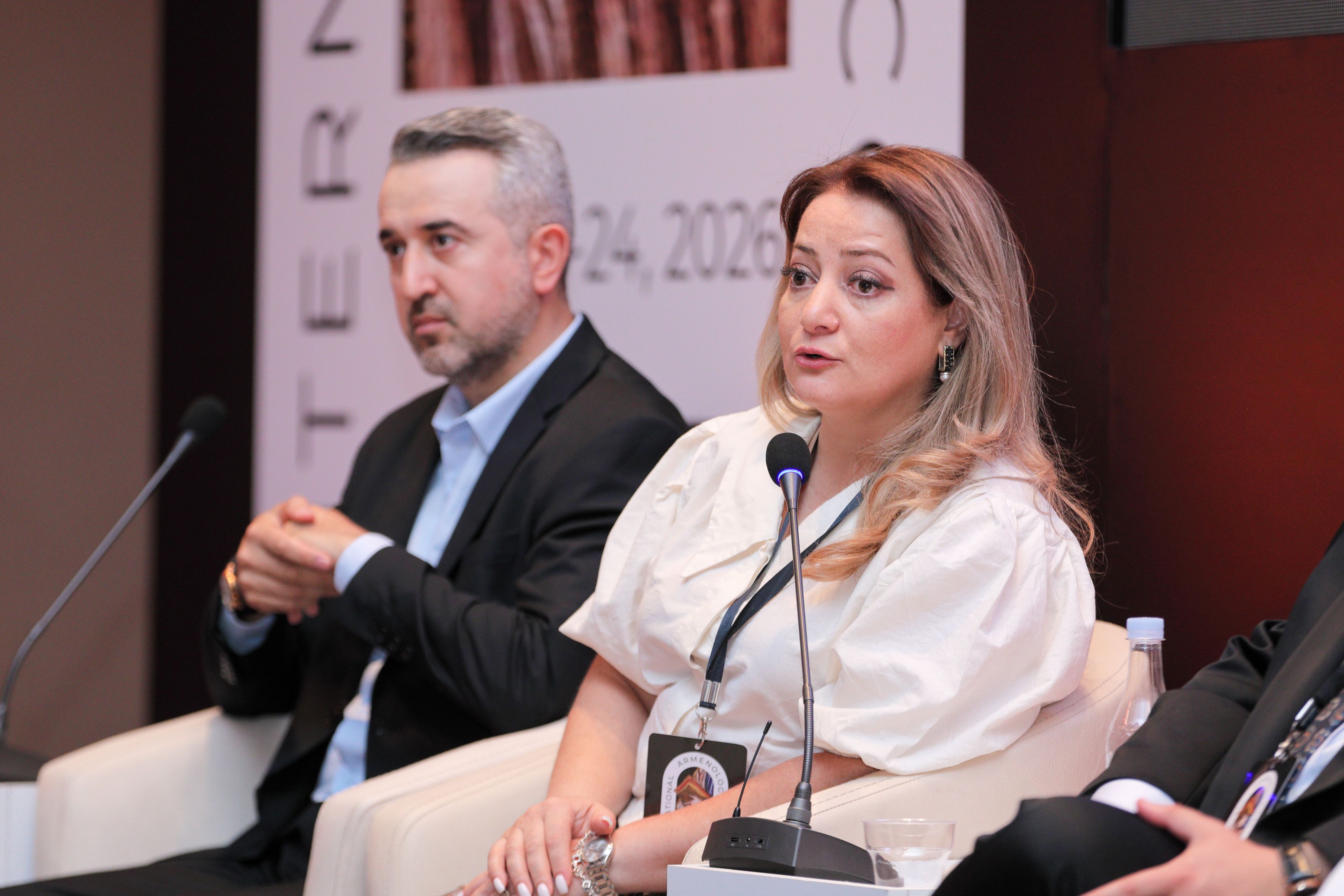
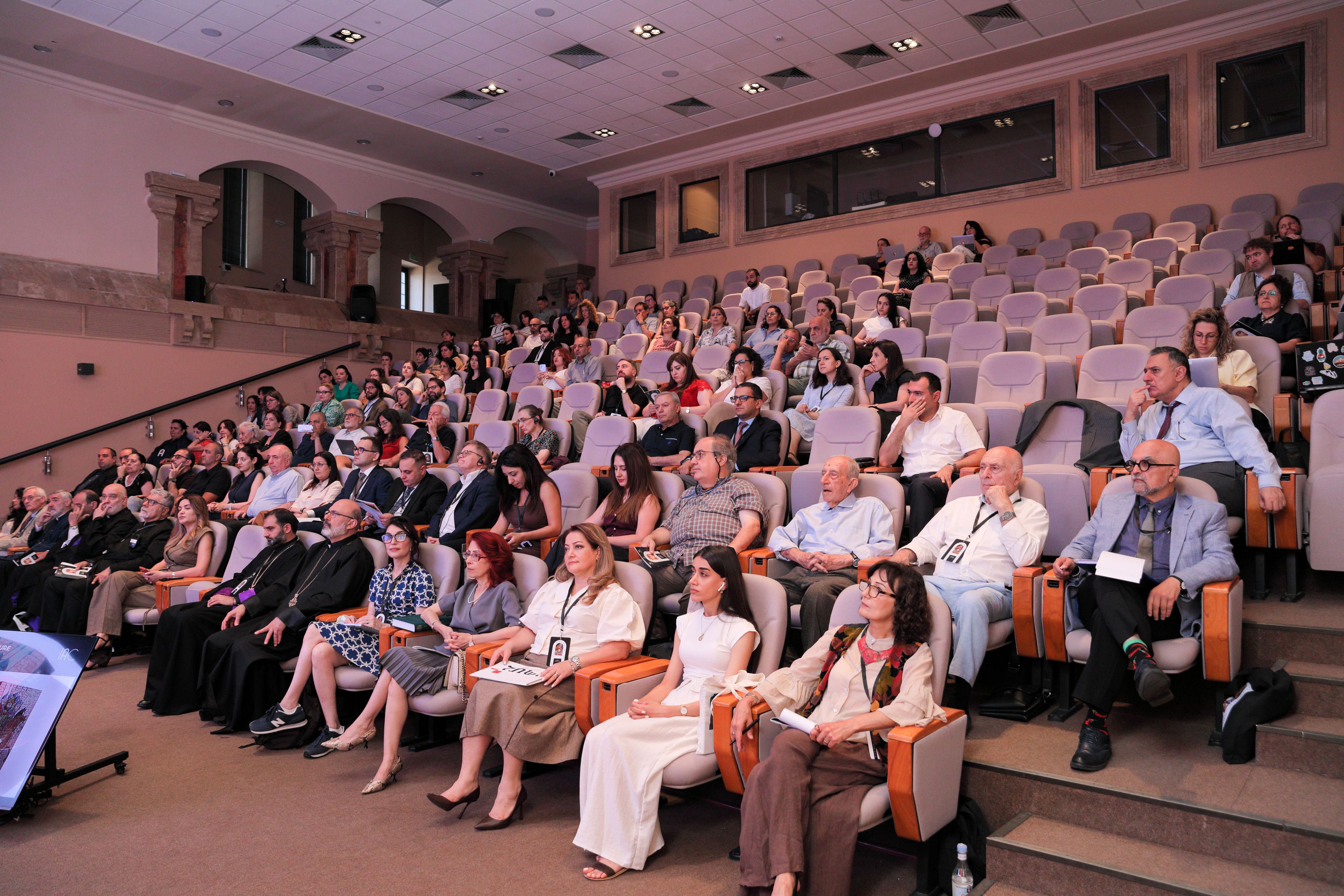
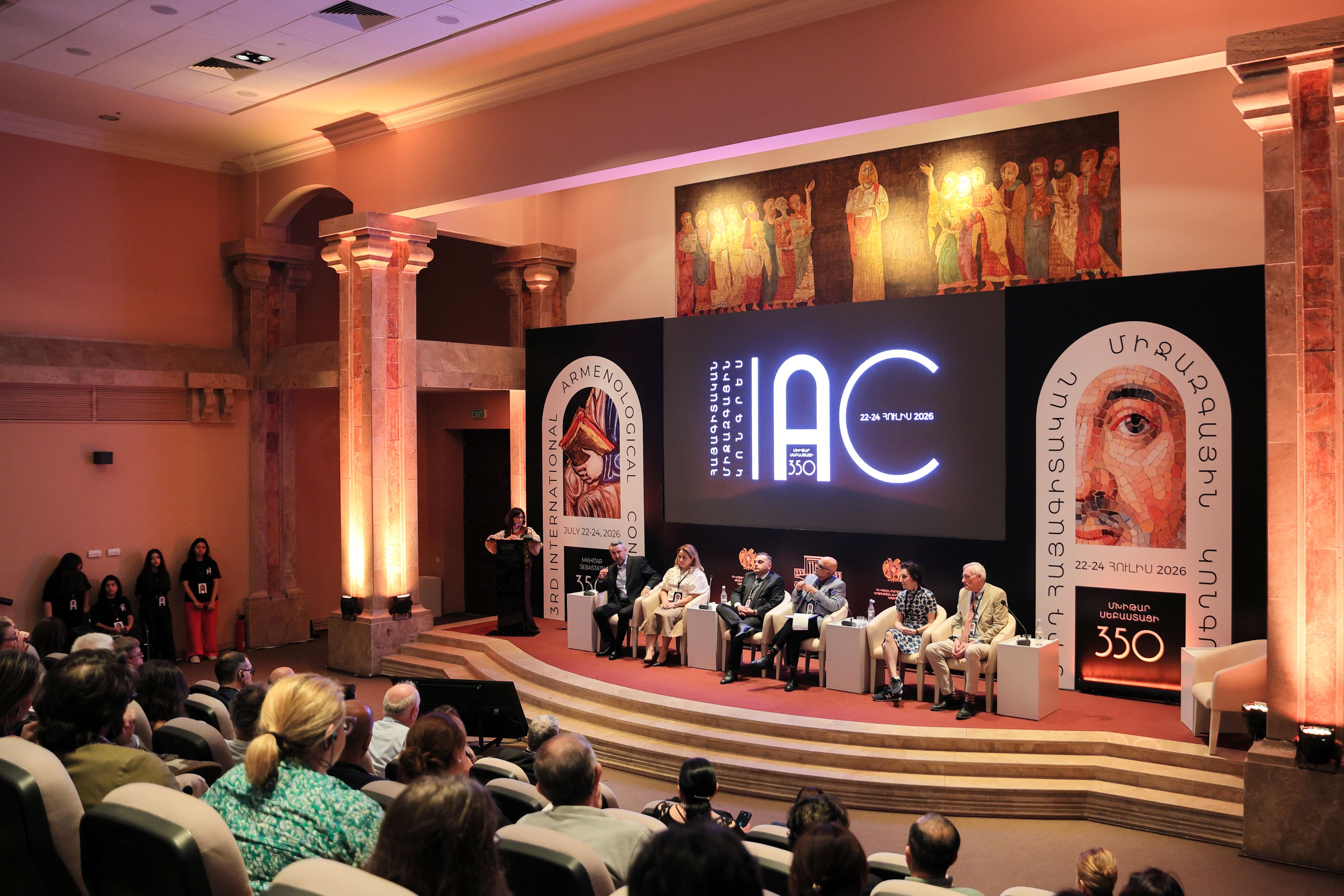
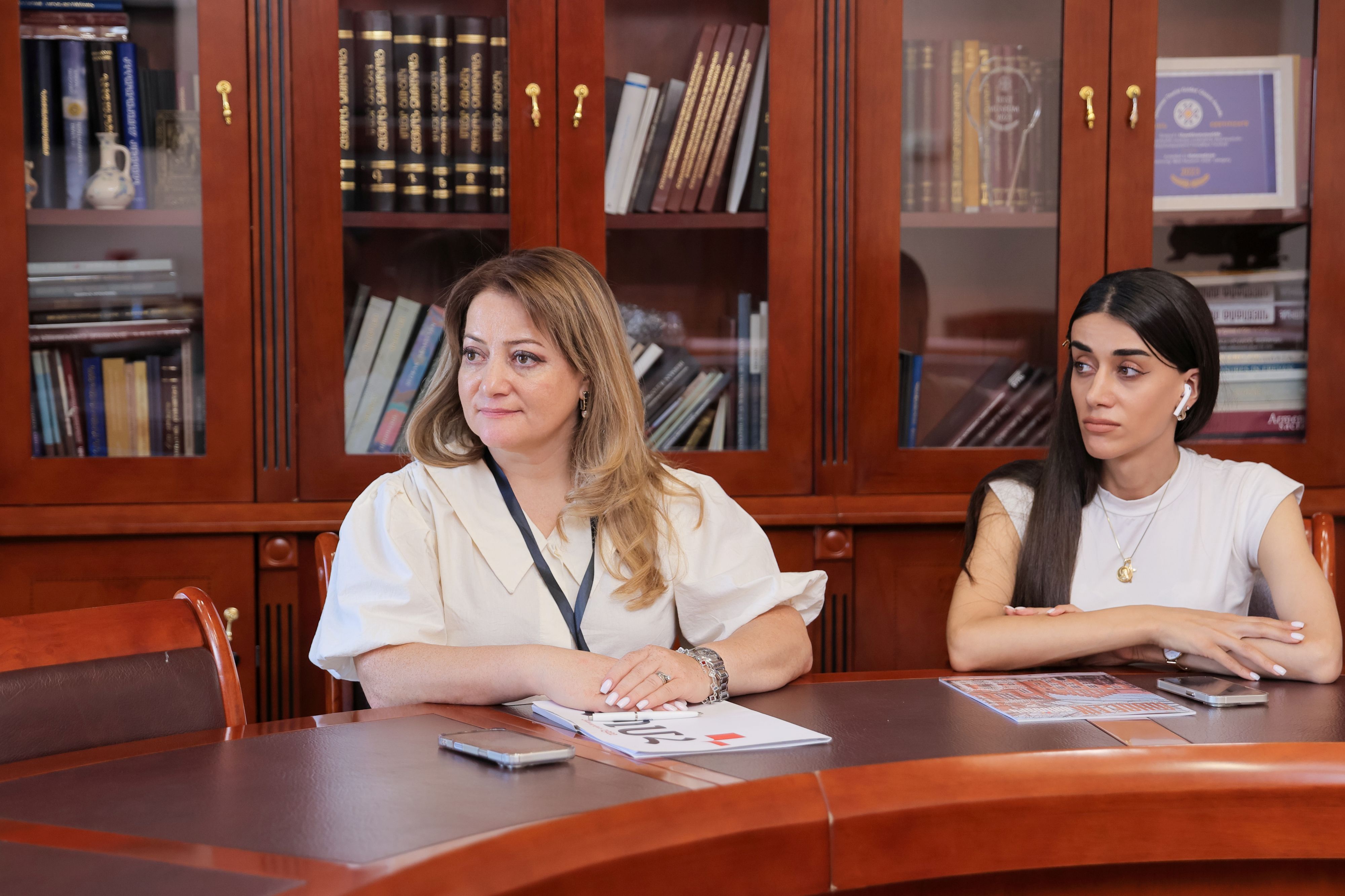
From July 22 to 24, Acting Rector of the Armenian State Pedagogical University (ASPU) Lilit Mkrtchyan participated in the 3rd International Congress of Armenian Studies, which was held at the Mesrop Mashtots Institute of Ancient Manuscripts (Matenadaran) and brought together Armenologists, scholars and specialists of the leading universities and academic institutions from 16 countries around the world, as well as representatives of Armenian spiritual-manuscript centers.
During the Congress, Lilit Mkrtchyan delivered a speech entitled “New Agenda of Armenian Studies in the Teacher Education System: The Practice, Mission and Vision of the Armenian State Pedagogical University after Khachatur Abovyan”.
She emphasized that Armenology has never been just a separate or closed area of academic studies, but rather, it has been and remains one of the pillars for self-recognition, historical memory of the nation, preservation of the rich heritage of language and culture and the reproduction of Armenian identity.
Lilit Mkrtchyan noted that today the main issue in Armenian studies is not just what we are exploring. What is becoming more important and urgent are the questions of how we transmit the knowledge to the modern generations, whom we are transmitting the valuable heritage, what kind of Armenia and pan-Armenian scientific-educational area we are creating through that knowledge. “Teachers are not just transmitters of knowledge; they are bearers of cultural memory, people who shape the value system of the nation and play the most important role in social self-awareness. Whereas knowledge is created in the classical university, the Pedagogical University shapes also the specialist through which the knowledge becomes a social asset and educational content,” Lilit Mkrtchyan noted, adding that it is this awareness that lies at the core of the mission of the ASPU.
She touched upon the strategic challenges in Armenian studies, talked about the work done by the University and the model of Armenian studies, touched upon the future of Armenian studies and the upcoming actions, emphasizing that Armenian studies need to continue to remain one of the key pillars for preservation of the national identity and noting that the future of Armenian studies depends on our ability to turn it into a discipline that is open, competitive and internationally recognized.